Posts

How to Choose an Orthodontist? Questions to Ask Your Orthodontist?

Image
  A highly-experienced orthodontist can enhance your smile, confidence, and overall aesthetics of your teeth. You may consider visiting an orthodontist for various cosmetic dental requirements. For instance, if you want to get your teeth straightened, correct over-crowded teeth, or correct gaps in-between teeth, you must consult an orthodontist.  However, understanding how to choose an orthodontist is essential to ensure you get the best treatment. Especially when you have numerous options, it's wise to conduct thorough research and ask the right questions to an orthodontist to make an informed decision.  In this blog, let's discuss things to consider when choosing an orthodontist and how to choose an orthodontist. Which Questions to Ask Your Orthodontist?  Dr. Sam Wise (DDS, MOM, MSc, MDS), an esteemed orthodontist trained internationally, helps you understand orthodontic treatments and make informed decisions. Dr. Wise says to make the most of your orthodontic trea...

The Importance of Wearing Your Retainer

Image
  While braces help individuals align their teeth, the importance of wearing a retainer comes with maintaining the new positions of the teeth. An orthodontist often recommends retainers to ensure the positions of the aligned teeth are intact after braces are removed. Teeth retainers are a type of oral appliances that help maintain the aligned positions of teeth after an orthodontic procedure.  Dentists use teeth retainers following orthodontic treatments such as clear aligners or braces. Therefore, teeth retainers help maintain the results after braces or aligners. Retainers can be removable or fixed. They are designed to provide essential support for the teeth, gums, and jawbone as they adapt to their new positions. This blog discusses the importance of wearing a retainer and how it can benefit an individual who has undergone an orthodontic treatment. Understanding the Importance of Wearing a Retainer Teeth retainers are often used to maintain the results achieved through ort...

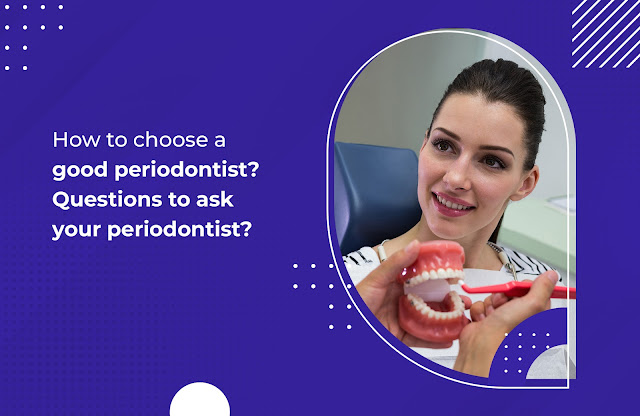
How to Choose a Good Periodontist? Questions to Ask Your Periodontist?

Image
  A periodontist specializes in the diagnosis and treatment of gum disease in addition to implant dentistry. Gum disease or periodontal disease can affect oral health and impact your smile. It usually starts with a bacterial infection in the gum tissue. But, if left undiagnosed, it can result in gum recession and tooth loss.  So, if you are facing problems with your gum, such as bleeding or mild pain, consider visiting a periodontist. But if you have not seen a periodontist before and have no idea where to go, fret not. This blog will give you a clear understanding of how to choose a good periodontist. Moreover, reveal the most important questions to ask your periodontist to ensure a successful treatment. What to Look for When Choosing a Good Periodontist There are several things to consider when finding a good periodontist. It is okay if you do not know where to start. Here are a few essential things to consider before making your decision. Education and Certifications So, a ...

What is Periodontics? The different types of periodontal diseases

Image
The field of periodontics dentistry specializes in the diagnosis and treatment affecting your gums and the jawbone. Gum disease or gingivitis is the early stage of periodontitis. When gingivitis worsens, the teeth may loosen or even fall out, and you can call it periodontitis. Periodontal disease is one of the major dental issues that affects adults.   As per a recent report by the CDC (Centres for Disease Control and Prevention), 47.2% of adults aged 30 years have periodontal disease. Therefore, It calls for early diagnoses, treatment, and prevention of periodontal diseases.  In this blog, let's explore the importance of periodontics, common periodontal diseases, and their treatment options. Understanding Periodontics Periodontics plays a vital role in preserving oral health and preventing tooth loss. It primarily deals with the tissues supporting the teeth, including the gums, periodontal ligaments, cementum, and alveolar bone. If periodontal disease is left untreated, ...

What are the Symptoms of a Tooth that Needs a Root Canal?

Image
  When a tooth becomes infected or severely damaged, a root canal procedure may be necessary to save it. As per The American Association of Endodontists, more than 15 million root canals occur every year in the US. Thus, recognizing symptoms that indicate a tooth needs a root canal is crucial for seeking timely dental care.  This blog discusses the common symptoms that indicate the need for immediate care and treatment.  Signs and Symptoms of Your Teeth Need a Root Canal Treatment: If you experience any of the following symptoms, it is advisable to consult a dentist to determine if a root canal is necessary: Persistent tooth pain:  A severe, lingering toothache is one of the most root canal symptoms. The pain may worsen when you apply pressure to the affected tooth. Over-the-counter pain relievers may provide temporary relief, but the pain will likely return. Sensitivity to hot and cold:  Increased sensitivity to hot or cold substances, even after their removal,...

What Can I Expect After a Root Canal?

Image
Undergoing a root canal procedure can be a difficult experience for many. However, a root canal is an effective treatment to relieve tooth pain. This treatment is vital in saving a damaged tooth. If you have never had endodontic treatment before, there may be a lot of questions in your mind. For instance, will the root canal pain come gain after the numbness wears off? Can you eat anything after your root canal treatment? Right? So, know what to expect after your root canal treatment by reading this blog. Let us explore what you should do for your root canal pain. Root Canal Pain: What to Expect? Immediate Post-Treatment Period: After your root canal procedure, it is common to experience some numbness. You may also notice slight tenderness in the area around the treated tooth. This discomfort and post-root canal pain are temporary. It eases within a few hours as the anesthesia wears off. Sensitivity: You may experience tooth sensitivity following a root canal. So, avoid extreme-temper...

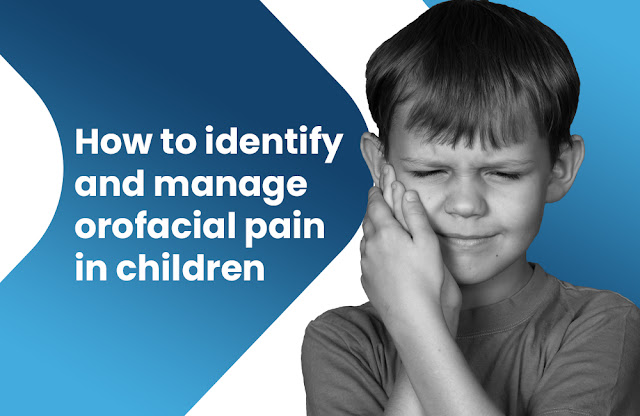
How to identify and manage orofacial pain in children?

Image
  Pediatric chronic orofacial pain is an umbrella term for orofacial pain in children. This condition causes pain in the head, face, and neck. Besides, it lasts more than three months in patients below 18 years. Thus, orofacial pain can be challenging to diagnose and manage in children.  But, understanding the pain in children is essential for parents and caregivers. Early intervention and appropriate treatment can ease this pain. Proper diagnosis can promote healthy and pain-free childhood. Read this blog to learn how to identify and manage orofacial pain in children. It will ensure their well-being and oral health. What is Orofacial Pain? Orofacial pain and discomfort can originate from the mouth, face, and jaw. The causes of orofacial pain in children are many. It includes dental problems, jaw joint disorders, sinus infections, muscular tension, etc. Diagnosing Orofacial Pain in Children: Identifying orofacial pain in children requires careful observation and communication....